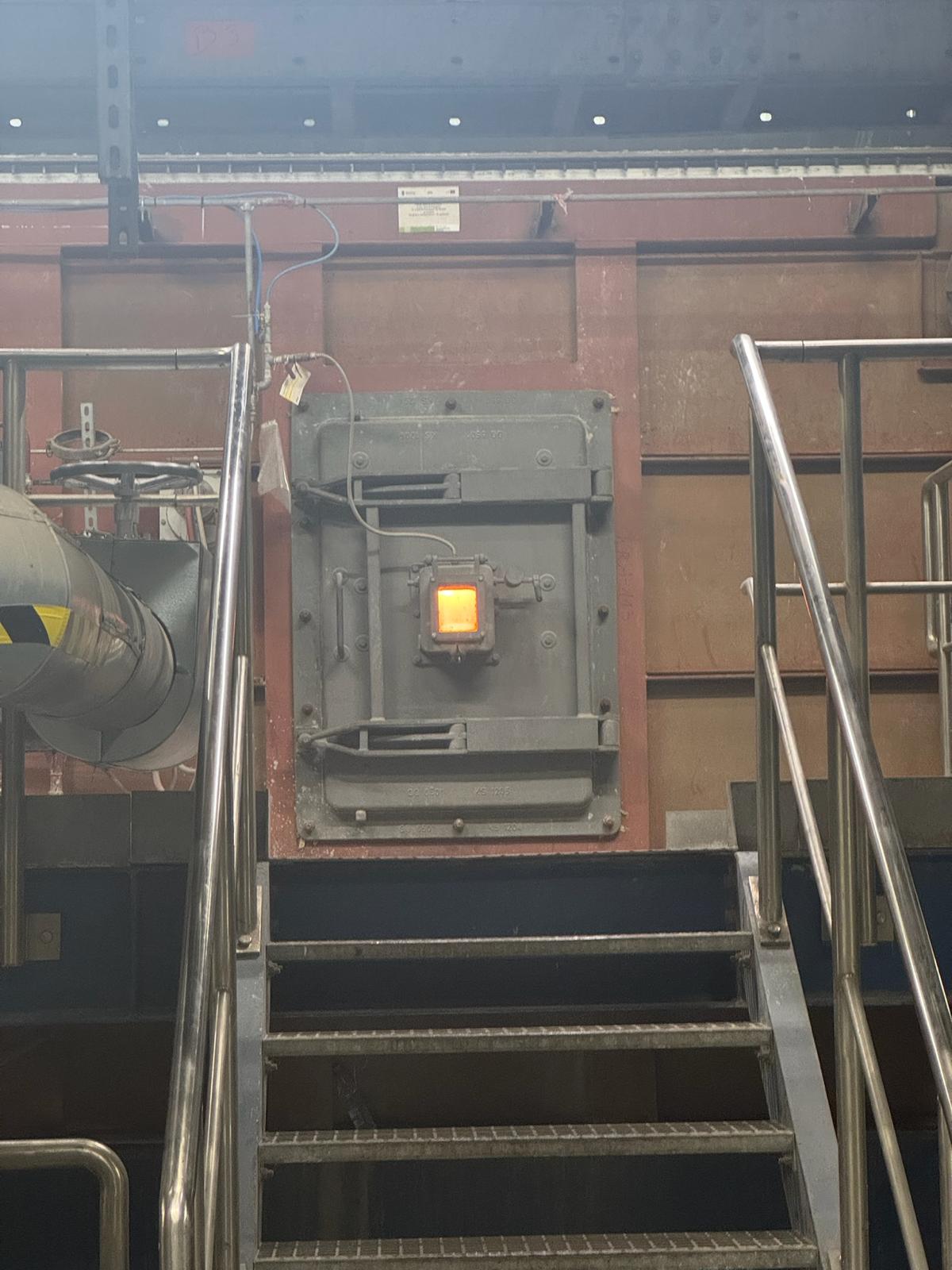
From the rubbish bin to the radiator. How does it actually work? 🗑️➡️🔥
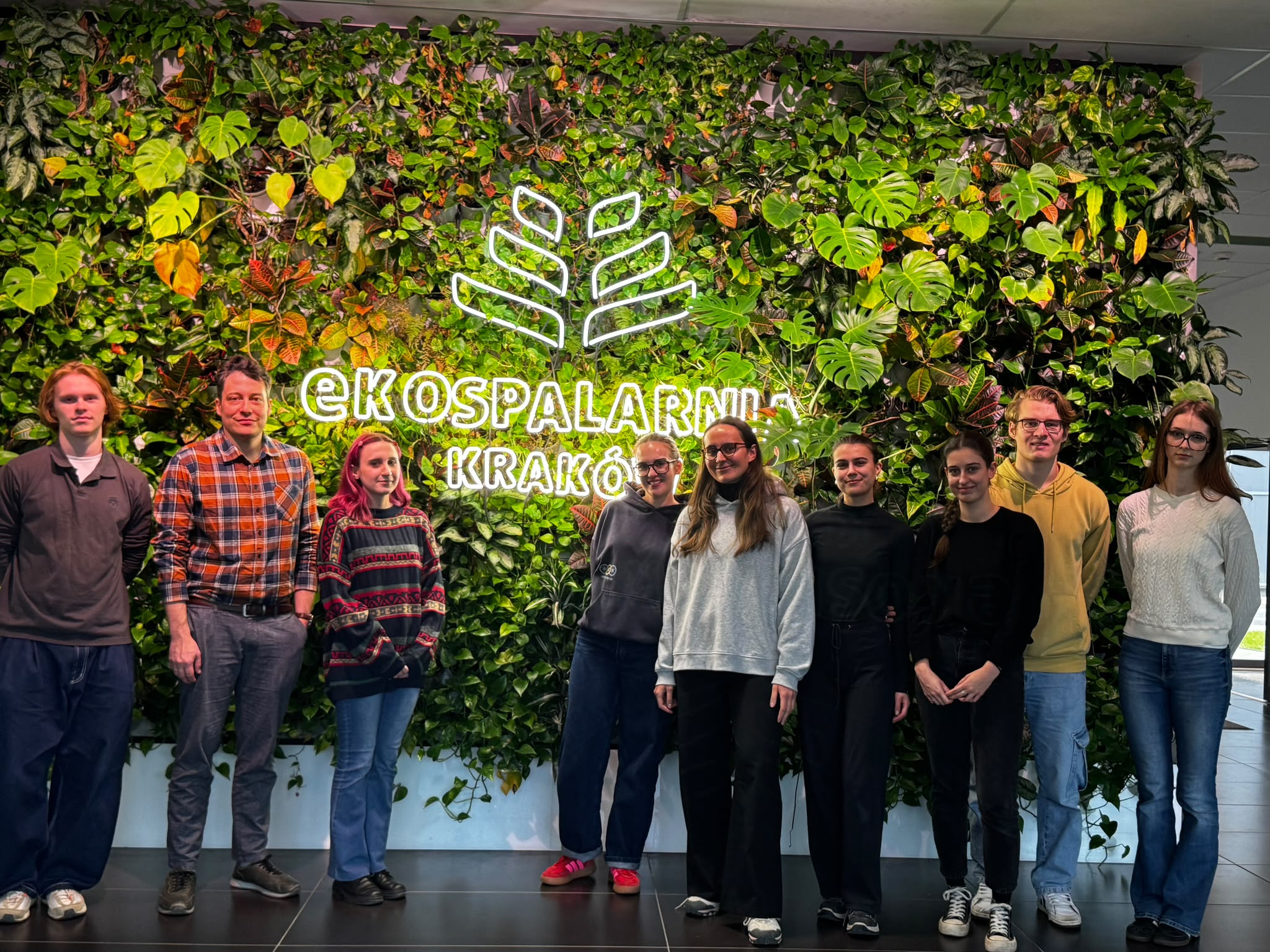
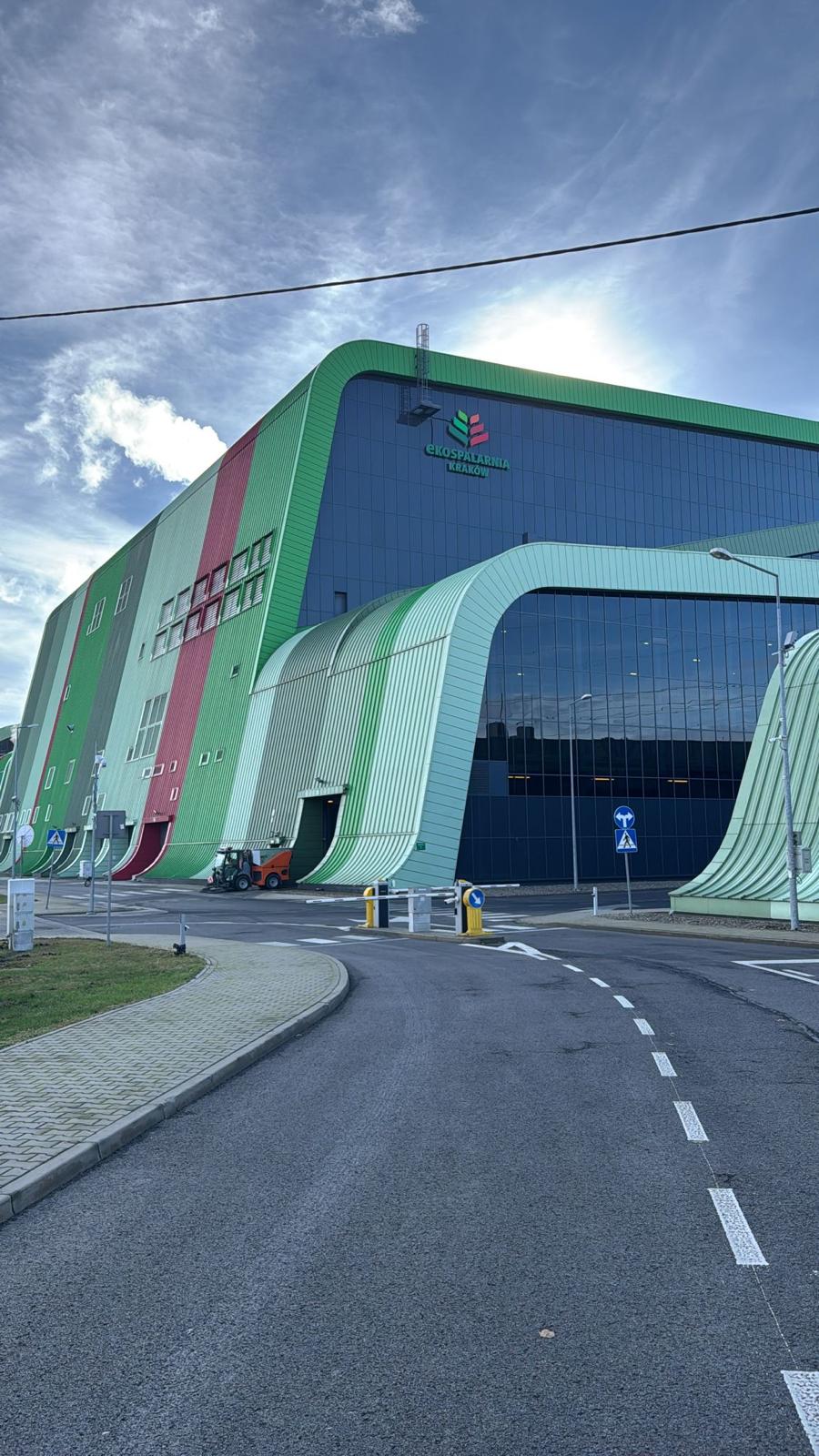
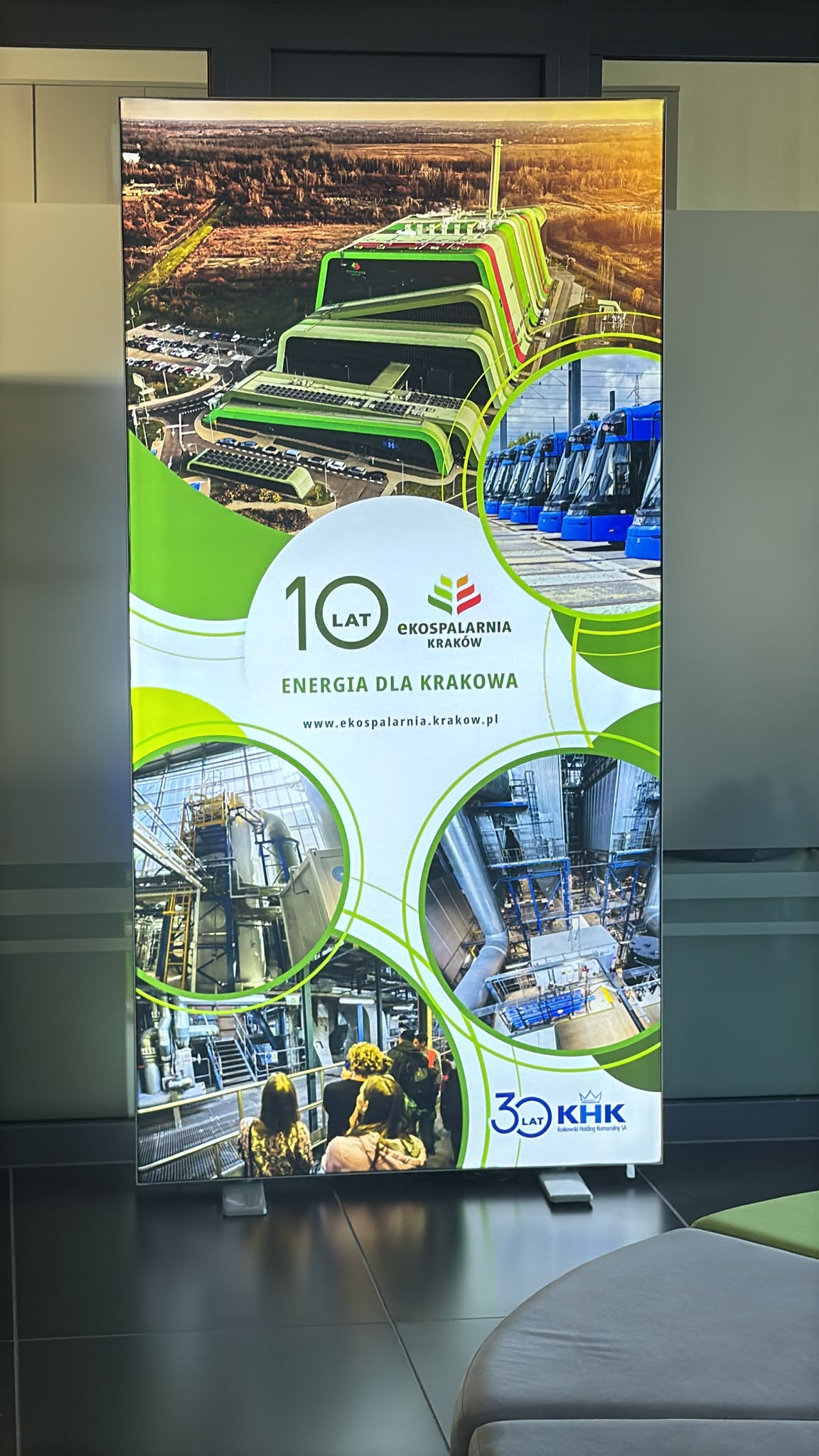
Yesterday, as part of the course Technology and Transformation at the Institute of Sociology, Jagiellonian University, we had the opportunity to visit Ekospalarnia Kraków, the city’s waste-to-energy plant run by Krakowski Holding Komunalny SA.
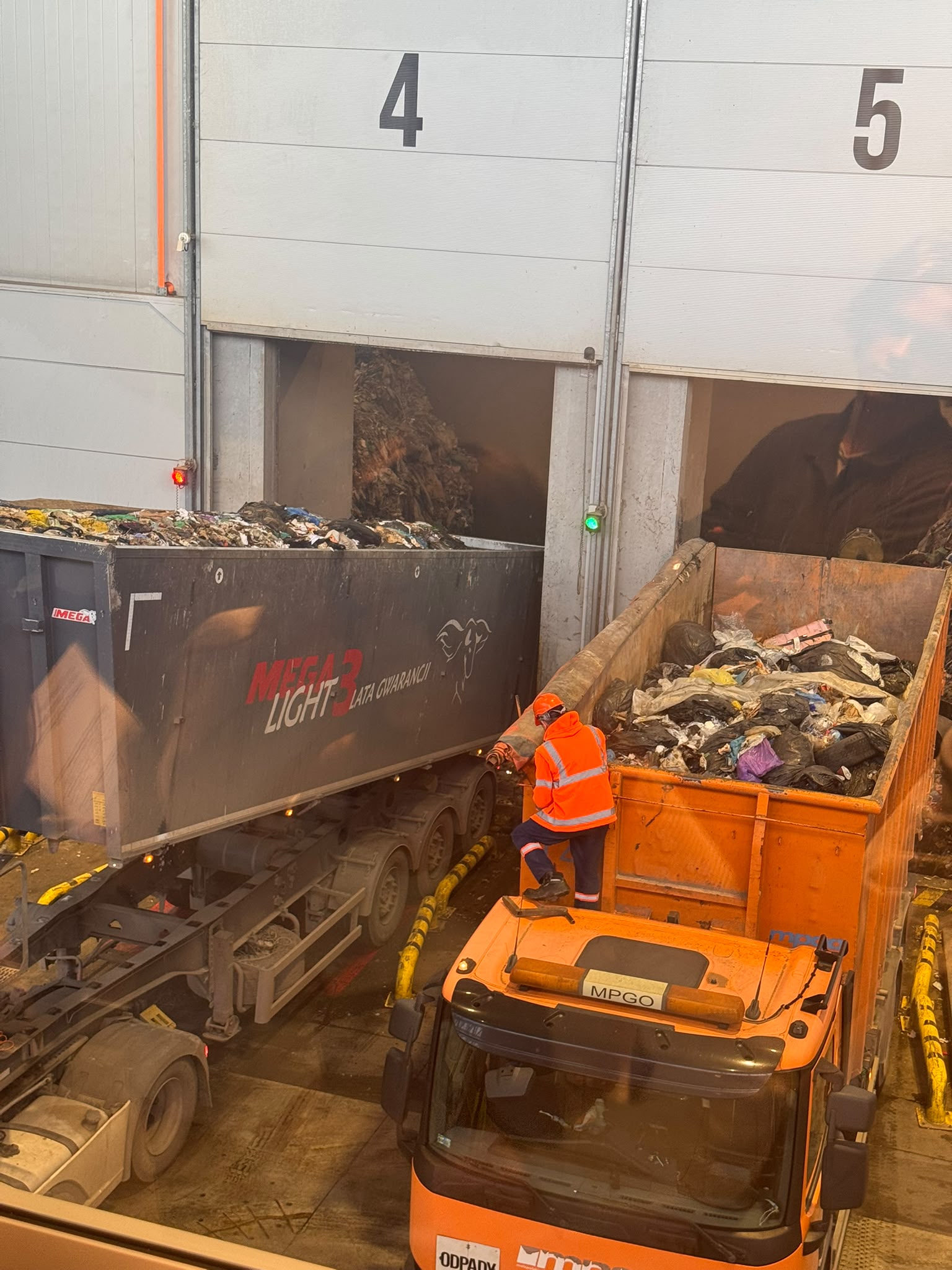
We followed the journey of municipal waste and saw how it is turned into electricity and heat that reach homes across Kraków. ⚡🏠
We are interested not only in how technologies work, but also in how they are shaped by society and how they, in turn, shape the way society functions.
That is why, during the visit, we looked both at the technical side of the plant and at the people, institutions and social relations that make it work. We asked:
- 🧭 Who makes the decisions?
- 👷 Whose work remains invisible?
- 💡 Who benefits from the energy produced?
- ⚖️ Who bears the costs and risks of this kind of infrastructure?
Behind seemingly simple everyday actions, such as taking out the rubbish or turning on the radiator, lies an entire system of technologies, institutions and social dependencies.
By combining sociology and Science and Technology Studies (STS), we learn to notice these dependencies and to ask questions that are often missed when technology is viewed solely in terms of efficiency or functionality.
🙏 Many thanks to the Ekospalarnia team and to Krakowski Holding Komunalny for the chance to visit the plant and see how it works from the inside!
🔗 Krakowski Holding Komunalny on Facebook · ekospalarnia.krakow.pl
See also our earlier visit with the same course: Inside Kraków’s Cogeneration Power Plant.
#EkospalarniaKraków #Sociology #STS #JagiellonianUniversity #EnergyTransition #WasteToEnergy #Kraków